From Customer Conversations to AI-Enhanced Vision: Inside StreetVision

“The best ideas in this sector come from time spent with the people doing the job. StreetVision started with problems our customers kept describing to us, and we built it around those.”
Chris Waller, CTO, Fleetclear
Chris Waller has been building on that belief since Fleetclear’s earliest days. As CTO, he conceived StreetVision, Fleetclear’s computer vision platform for councils and fleet operators, and has led its technology from the first idea through to its launch in September 2026.
The Fleet Experience Chris Brings
Chris knows fleet technology from the vehicle up. That covers the hardware, the firmware, the cloud, and the web and mobile layers, plus how all of it holds up on a working vehicle. A camera that works in a lab is easy. A camera that works on a refuse vehicle, in the rain, at 5am, every day for years, is a different job.
Chris leads all of Fleetclear’s technical functions across software, hardware and product engineering. His track record includes several market-first products used by councils and fleet operators across the UK, including Fleetclear Connect, Fleetclear Go, Live Lane, Safe-Couple and advanced automatic braking integrations. StreetVision builds on all of that work.
Where StreetVision Came From
StreetVision grew out of years of conversations with the people doing the job, and out of infrastructure Fleetclear already had in place. Its connected vehicles work for councils across the UK and many large private operators. Those vehicles drive the same streets every week, and each one carries cameras.
“We already have connected vehicles working for councils right across the UK, and every one of them is a sensor. StreetVision uses AI to turn what those vehicles see into decisions people can act on.”
So why now?
“This is the most exciting time I’ve seen in this industry. The AI available to us now lets us do things that weren’t possible even two years ago, and StreetVision is the result of putting that to work on problems I’ve understood for a long time.”
AI That Makes the Working Day Easier
Chris is a strong advocate for AI where it adds real value. He is equally clear about where it doesn’t. That sets the standard for every StreetVision feature. If a capability does not solve a real operational problem reliably, it does not ship.
“We judge new technology by whether it makes someone’s working day easier or safer. If it doesn’t do that reliably, it doesn’t get built.”
Making Reversing Risk Measurable
Reversing is one of the highest-risk manoeuvres in any fleet. HSE figures show 24 workers were killed after being struck by a moving vehicle at work in Great Britain in 2025/26, and nearly a quarter of all workplace transport deaths happen while a vehicle is reversing. Training, banksmen, cameras and sensors all help, but for most fleets, the first hard data point on reversing risk is an incident report. StreetVision Reverse Safety closes that gap by giving fleets objective, fleet-wide visibility of reversing risk, so they can act on it before someone gets hurt.
Seeing the Full Picture
Councils in England dealt with 1.26 million fly-tipping incidents in 2024/25, up 9% on the year before (Defra). The Local Government Association estimates councils spend around £1bn a year on litter and fly-tipping.
Most councils assess street cleanliness by sampling. Inspectors visit a selection of streets and score them. It is a sensible approach with an obvious limit: you only see the streets you sample, on the day you sample them.
Environmental Monitoring gives councils a continuous picture of street cleanliness, from litter to fly-tipping and overflowing bins. It uses the vehicles already driving those streets.
“A refuse vehicle drives every street in a borough every week or two. With Environmental Monitoring, councils move from sampling a handful of streets to seeing all of them, all the time.”
With that, councils can:
- Spot fly-tipping hotspots and patterns across the whole area.
- Direct cleansing teams to where they are needed, rather than fixed schedules.
- Report on street cleanliness with complete data, not a sample.
Built with Councils
StreetVision was developed with councils, on their own vehicles and on their own streets. That was only possible because of relationships Chris has built over many years.
“Our relationships with operators and councils go back years, and that trust is what let us build StreetVision with them rather than for them. Their feedback shaped the product week by week.”
This is why StreetVision solves real operational problems rather than theoretical ones. The people who would use it every day shaped what it does and how it works.
The Team Behind It
Chris is quick to credit the people around him. He has a team of strong engineering talent across software, hardware and product engineering, and that team is what lets Fleetclear move fast on StreetVision.
“Technology is only as good as the people behind it. I’m proud of the team we’ve built, and the talent in it is the reason we can move this quickly without cutting corners.”
StreetVision’s Next Chapter
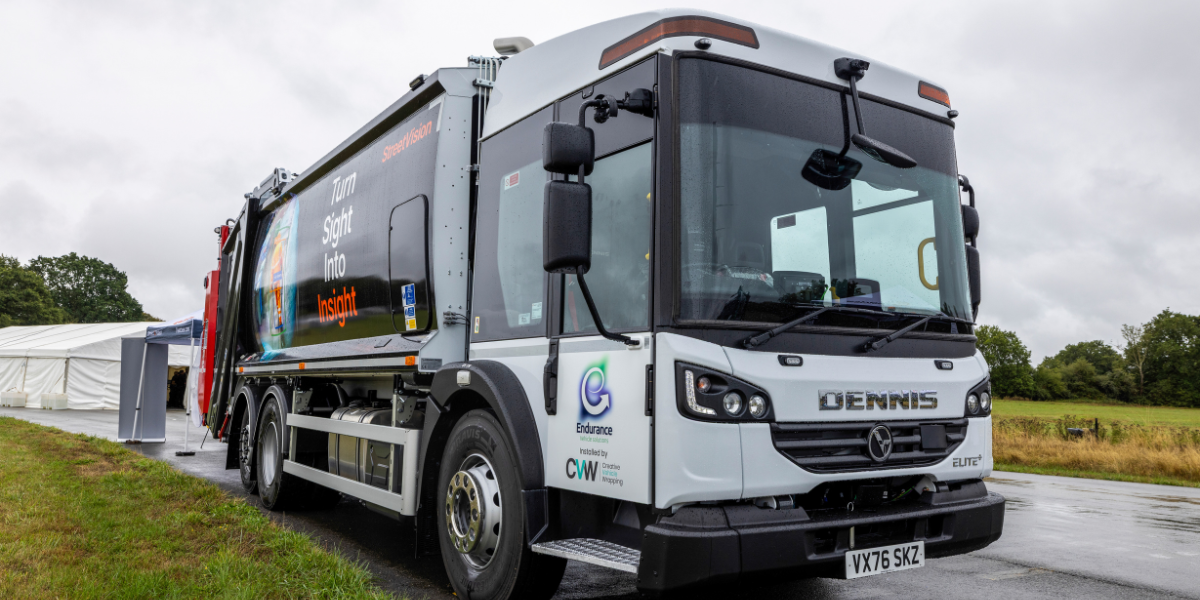
Reverse Safety and Environmental Monitoring are the first two modules. Fleetclear has already identified over 70 further use cases for StreetVision.
Because StreetVision uses existing vehicles and existing cameras, each new module adds value without the cost of adding new hardware.
See StreetVision in Action
If you'd like to see what StreetVision can see on your routes, get in touch today.
Drive your business forward with Fleetclear.
Contact our team to book a demo and start your journey towards a safer, more efficient and compliant fleet.